



Postnatal Return to Running – A Framework for Health Professionals
As health professionals supporting women following birth, we often find ourselves being asked “when can I return to running – it’s the form of exercise that works best for me.” In the back of our minds is wanting to prevent the occurrence of the statistic we all know well - 1 in 3 women will experience pelvic floor dysfunction after childbirth.
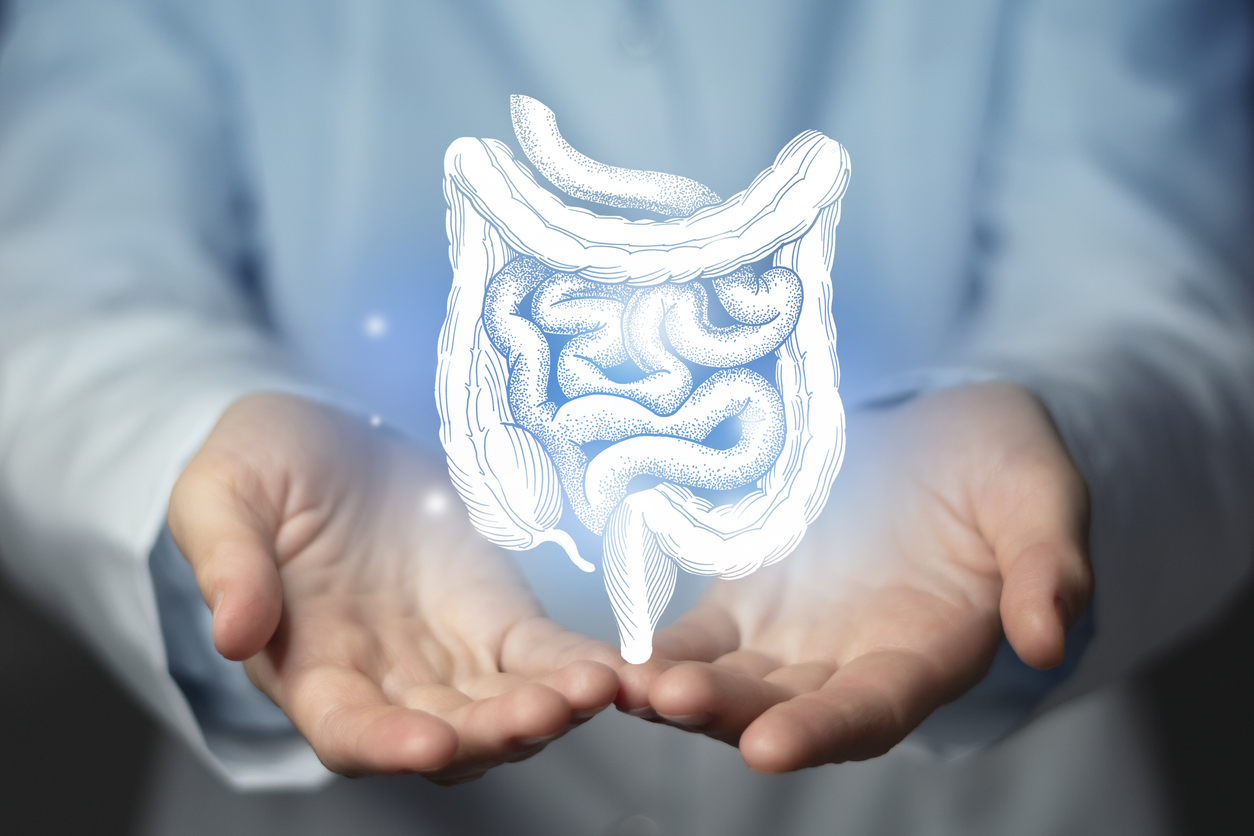
Bowel Function & Pelvic Health: The Underappreciated Link
Anorectal or bowel dysfunction is common, yet is under-reported, under-diagnosed and under-treated. Nearly 2% of Australian adults experience faecal incontinence and 4% experience both urinary and faecal incontinence. A staggering 40% of the world’s population are impacted by Disorders of Gut-Brain Interaction (DGBI) eg Irritable Bowel Syndrome (IBS).
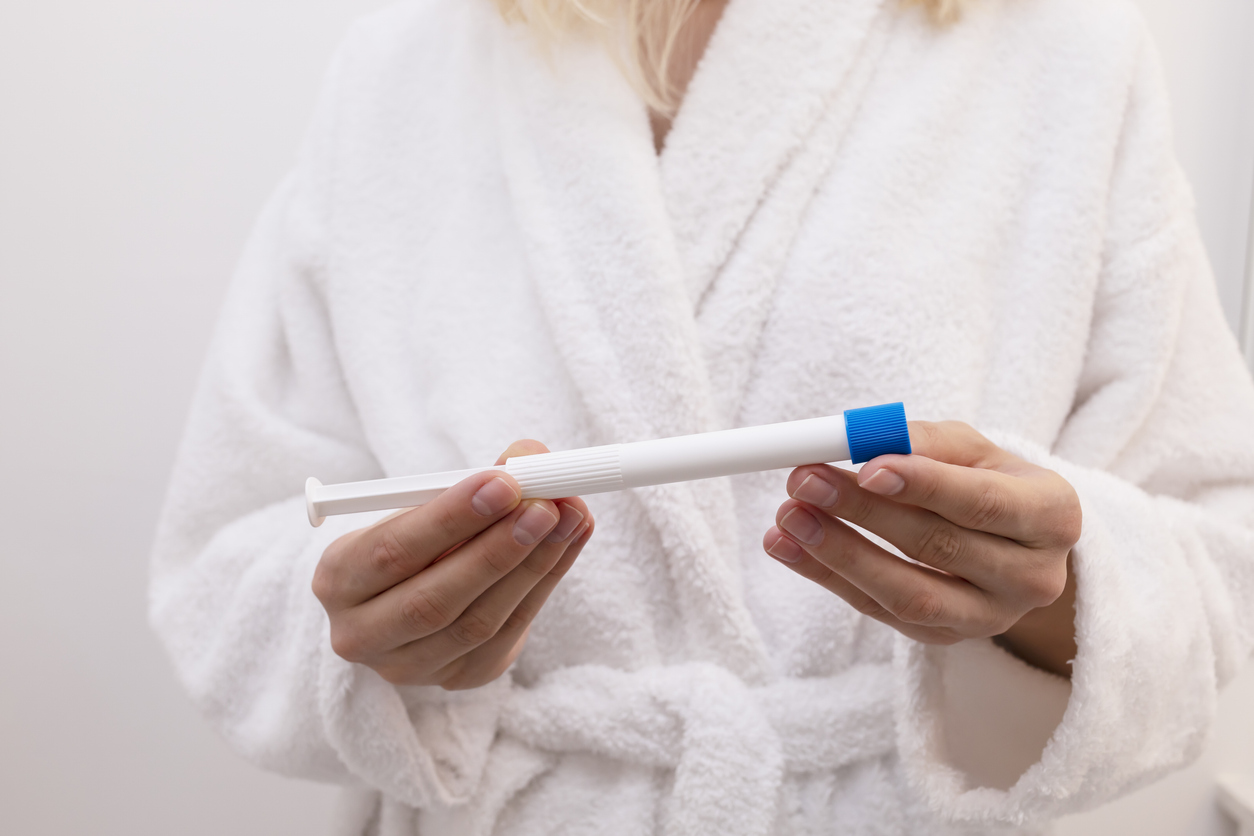
Working Together For GSM: Oestrogen & Physiotherapy
Genitourinary Syndrome of Menopause (GSM) can be defined as a collection of symptoms and signs associated with a decrease in oestrogen and other sex steroids involving changes to the labia majora/minora, clitoris, vestibule/introitus, vagina, urethra and bladder.
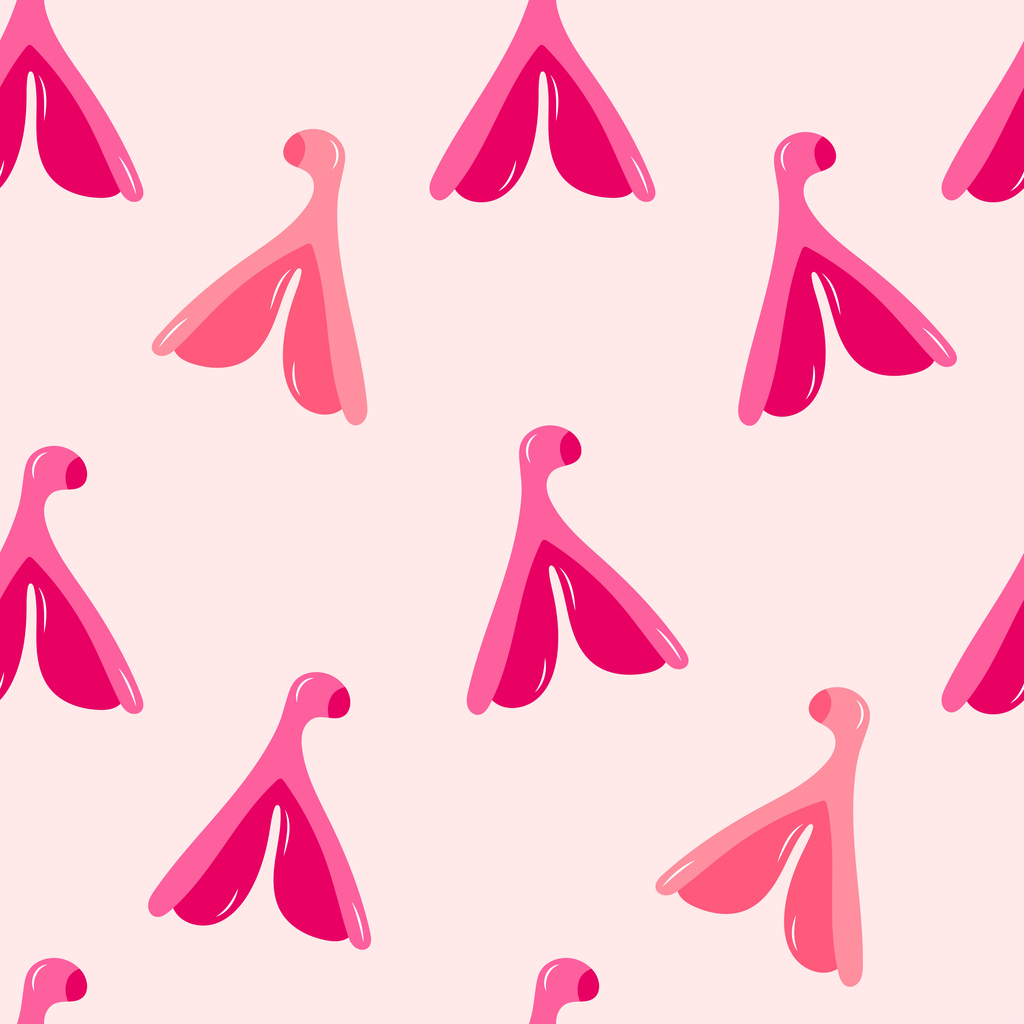
Clitoral Curiosity
Every day, we speak with people who seek our support regarding painful sex. Often their stories include fear, confusion and a poor understanding of the vulva, clitoris and vagina. Many people hold unhelpful beliefs and perceptions of what is and isn’t normal. As Pelvic Health Physiotherapists, part of our role is to educate, enlighten and empower individuals to develop a healthier perspective...

How Can We Ensure Competency Standards In Pessary Management for POP?
Pessaries are being increasingly utilised as a component of the biopsychosocial non-surgical management of Pelvic Organ Prolapse (POP), in addition to pelvic floor muscle training, lifestyle changes and topical oestrogen. It is vital that these treatments are provided effectively and safely following evidence based and competency assessed standards.

Breathe For Pelvic Health
Whilst commonly overlooked, dysfunctional breathing patterns contribute to many pelvic health disorders. In our clinical practice, we regularly screen for and notice altered and suboptimal breathing patterns in people that have pelvic floor muscle (PFM) dysfunction (with increased OR decreased resting muscle tone), persistent pelvic and sexual pain as well as urinary and anorectal dysfunction.

Pelvic Floor Muscle Training – Let’s Get It Right!
There is Level 1 evidence (recommendation A) that pelvic floor muscle training (PFMT) should be first line treatment for Urinary Incontinence (UI) and Pelvic Organ Prolapse (POP) in women. This high evidence base is only true in a clinical setting if PFMT is performed correctly and effectively.

SUI and Athletes
Stress Urinary Incontinence (SUI) is defined as a complaint of involuntary loss of urine upon effort or physical exertion (eg, sport) or on sneezing and coughing and is often attributed to Pelvic Floor Muscle Dysfunction (PFMD). More and more, we are seeing that SUI as a major cause of reduced performance in female athletes. Why is this happening and how can we treat it?
Impact of Gestational Diabetes on the Pelvic Floor Muscles
Gestational diabetes (GDM) is associated with increased incidence of pelvic floor dysfunction and urinary incontinence, both during pregnancy and post-natally. An interesting study was published late 2020 on this topic, exploring the effect of GDM on the pelvic floor muscles. 110 pregnant women with and without GDM were assessed with 3D ultrasound at 24-28 weeks and 34-38 weeks gestation, and...
The Link Between Sleep and Chronic Pain
Good sleep is hard to come by during this pandemic. The impossible juggle of work, kids at home, stress and isolation has challenged sleep for many. We know that poor sleep has a huge impact on many aspects of physical and mental health, and recent research also shows a relationship between sleep disturbances and chronic pain. According to Maslow, sleep is one of our basic physiological needs...

New ‘Magic Pill’ For Treating Erectile Dysfunction
Erectile dysfunction affects up to 1 in 2 men. Current typical treatment options include medication and lifestyle modification. A systematic review published this year has found a new “wonder drug” for erectile dysfunction and premature ejaculation. This magic pill has no side effects, is affordable, and is easy to administer. And you will never guess what it is….. Pelvic Floor Exercises!
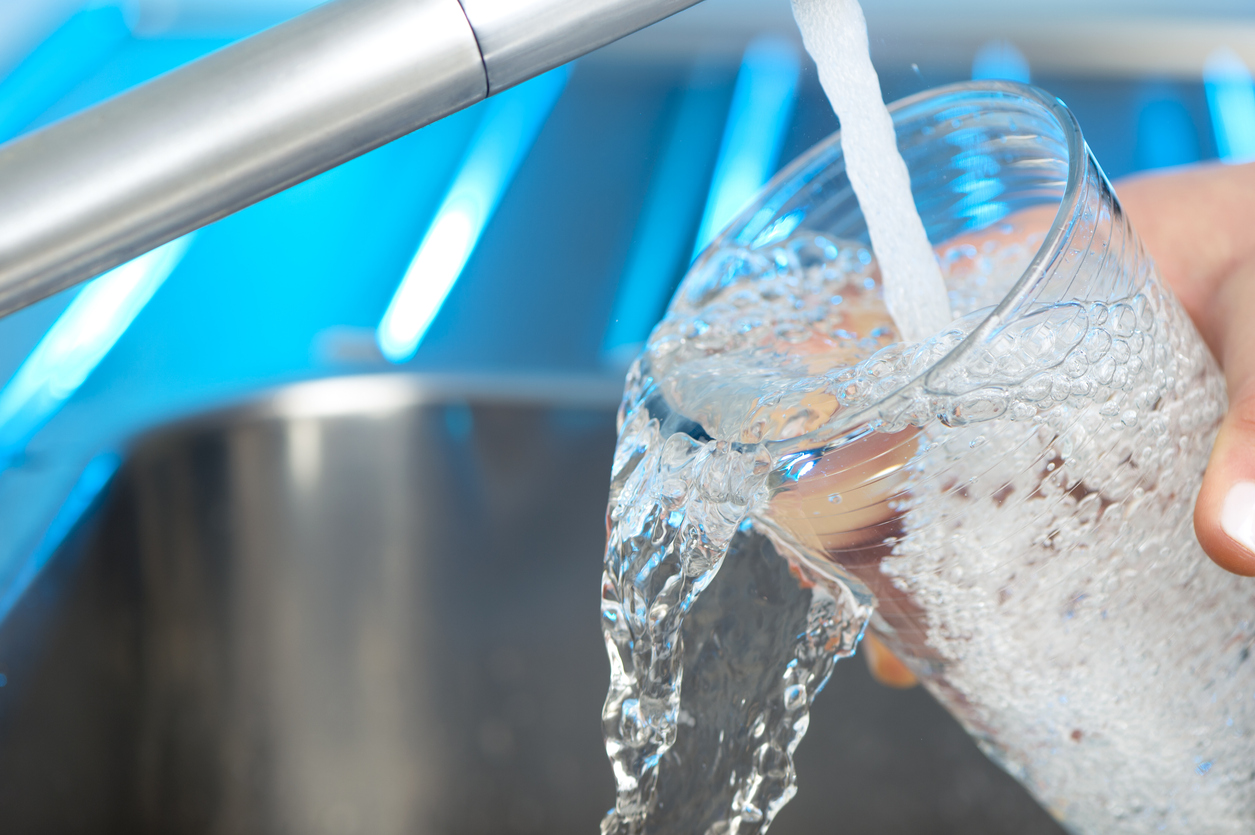
Fluid Intake And OAB: Less Is More!
Many health professionals endorse drinking 2 litres of water each day, despite a lack of scientific evidence to support this1. In patients with overactive bladder (OAB), excessive fluid intake is known to exacerbate urinary frequency and urgency. A new systematic review has just been published, investigating fluid intake and OAB, and the results are fascinating.
Better Bowels With Rectal Balloon Biofeedback
Rectal balloon therapy is emerging as an exciting biofeedback tool to effectively treat a variety of benign anorectal disorders. Wald and co-authors recently published the American College of Gastroenterology Clinical Guideline: Management of Benign Anorectal Disorders1, and strongly recommended the use of biofeedback with rectal balloon therapy for treatment of defecatory disorders, chronic...

Faecal Incontinence: The Role Of Ageing And Gender
Faecal incontinence (FI) affects up to 1 in 5 Australian men and 1 in 8 Australian women. This is higher than the prevalence of diabetes (6%) and asthma (11%). Dr Danette Wright, colorectal clinical fellow, recently delivered a fascinating presentation at the Continence Foundation Australia NSW State Meeting, discussing the role of ageing and gender in FI. Males and females are both affected by...
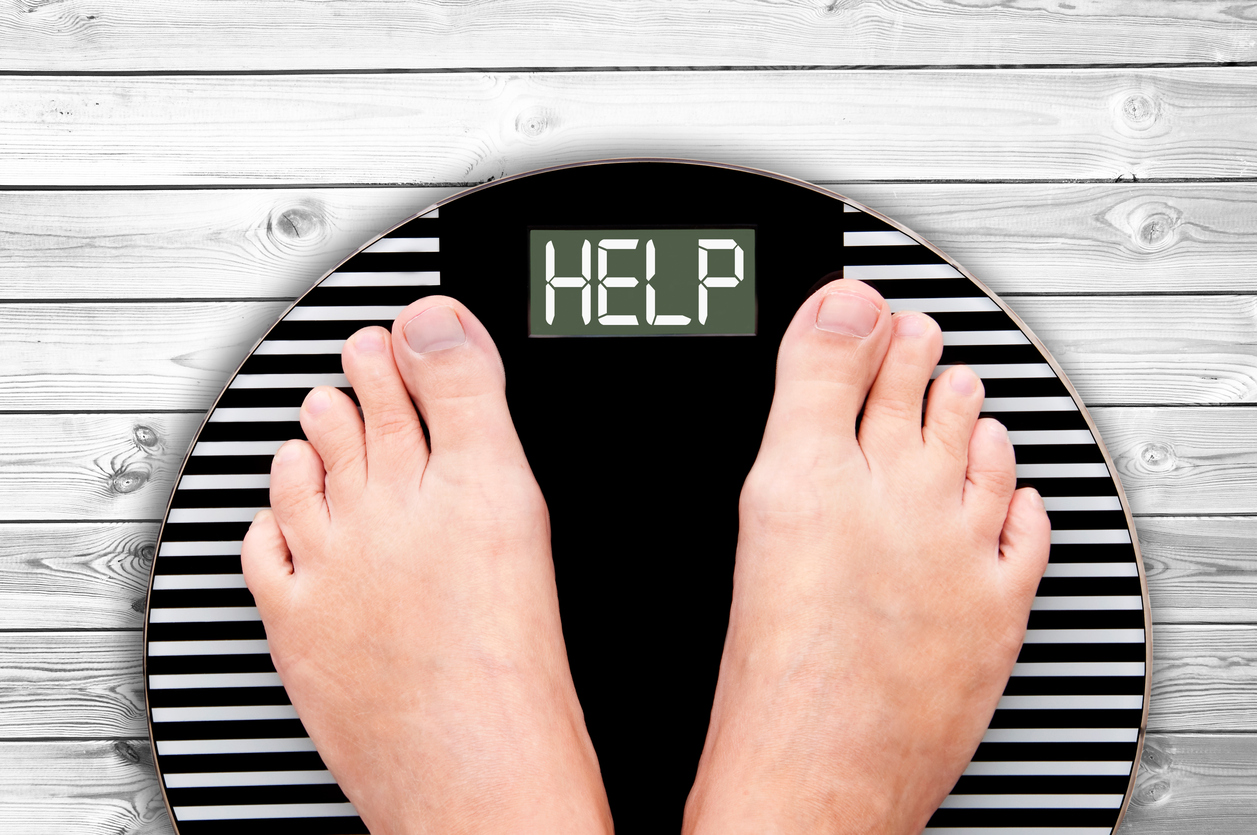
Weight Loss: The "Wonder Drug” For Incontinence
Australians are getting fatter, with 7 in 10 Australian men, 1 in 2 women and 1 in 4 children now being overweight or obese. Unfortunately these numbers are continuing to rise. Dr Lucy Bates, Urogynaecologist at Westmead Hospital in Sydney, recently presented at the Continence Foundation Australia NSW State Meeting, exploring the relationship between obesity and incontinence, and what we can do...

PFD In Sportswomen: A Silent Epidemic
Urinary incontinence and pelvic floor muscle dysfunction are too often considered disorders of post-partum and postmenopausal women. However, recent research shows an alarmingly high prevalence of urinary incontinence among nulliparous female athletes – particularly in those participating in repetitive, high impact sports such as gymnastics, netball and running. Urinary incontinence in women...

New Treatment Option For OAB: TTNS
Professor Suzanne Hagen, Scottish pelvic floor research guru, recently delivered a key note address at the 26th National Conference on Incontinence 2017. She discussed Transcutaneous Tibial Nerve Stimulation (TTNS) as a treatment option for overactive bladder (OAB). The research base supporting this treatment technique is growing. A systematic review published this year concluded that TTNS can...
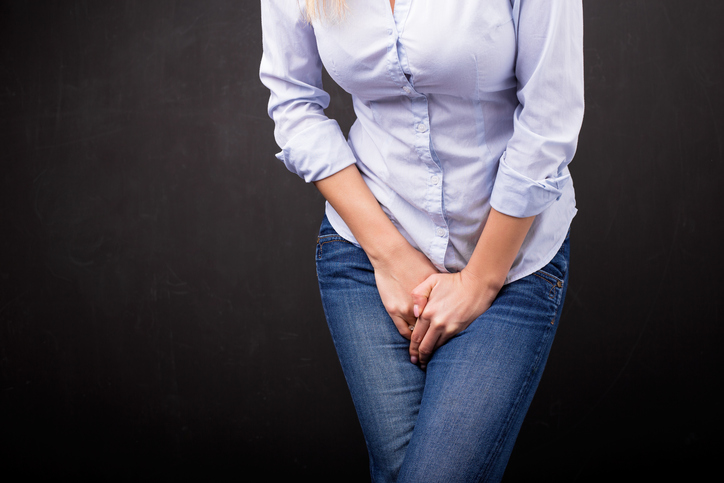
Understanding Urgency And Centralisation In OAB
There is an emerging body of research that supports the role of centralisation in patients with overactive bladder (OAB). Urgency is no longer considered a direct representation of detrusor overactivity, rather it’s a multidimensional sensory experience. This knowledge enables reconceptualisation of current first-line conservative treatments for OAB, with the potential to improve their efficacy.

The Importance Of Pain Science Education
Chronic pain is a huge health problem, and is expected to cost the western world as much as diabetes and cancer combined. Dr David Butler and Professor Lorimer Moseley have pioneered the understanding and treatment of chronic pain internationally and, luckily for us, they live right here in Australia and work at the University of South Australia. Their latest research tells us that...